
Sri Lanka tour packages for senior citizens
Sri Lanka has long been associated with beautiful beaches but focusing only on its coastline means missing much of what makes the island worth exploring. So, if you think Sri Lanka is all about sun, sand & sea – there is a lot more you might want to know.Beyond the beaches, the country has a rich history shaped by ancient beliefs, colonial trade, religious traditions and local culture. Its landscapes also change considerably as you travel inland, bringing experiences that go well beyond a typical beach holiday.All these experiences make Sri Lanka an interesting option forinternational tour packages for senior citizens, offering opportunities to explore its cultural heritage, enjoy scenic journeys and discover the island at a comfortable pace. Let’s look at what lies beyond its famous coastline :-
Travel inland & Sri Lanka starts to look very different
The change becomes particularly noticeable in the central highlands. Coastal heat gives way to cooler weather, tea plantations cover the hillsides & the region’s history introduces another side of Sri Lanka’s cultural identity. The highlands are also home to places connected with religious traditions that link the island closely with India :-
Nuwara Eliya :
Nuwara Eliya sits approximately 1,868 metres above sea level – giving it a cooler climate than Sri Lanka’s lowland coast. During the 19th century, British colonial officials used the town as a retreat from the heat and its nickname, “Little England”, reflects that period.Colonial influences remain visible in some buildings and gardens, while the surrounding tea plantations reflect the region’s agricultural importance. Its elevation and weather conditions make the area suitable for growing tea – which later became one of Sri Lanka’s best-known exports.Temperatures can be much lower than along the coast and mist or rain may affect visibility. A light jacket, comfortable walking shoes and some flexibility in the sightseeing schedule can make exploring the town more comfortable
Sita Amman Temple :
Near Nuwara Eliya, Sita Amman Temple offers an opportunity to explore the religious and cultural links between India & Sri Lanka.The temple is associated with the Ramayana. According to local belief, the surrounding area is where Sita was held captive by Ravana. A nearby stream and rock formations are also linked to stories about Sita and Hanuman. Sri Lanka Tourism includes the temple among its Ramayana Trail sites.While these associations belong to religious tradition rather than independently established archaeological history – they give the temple considerable cultural significance. Visitors familiar with the epic can connect with a story that continues to hold meaning across generations. As the temple remains an active place of worship – visitors should dress respectfully and follow local instructions
Ramboda Falls :
Ramboda Falls lies near Ramboda Pass – where the mountainous terrain creates a setting for cascading water and steep slopes.The surrounding landscape makes the contrast with the coast especially clear. Instead of sandy shores and open ocean views, visitors encounter elevated roads, valleys and vegetation shaped by highland conditions.A few practical details are worth considering before visiting :-
- Weather conditions :recent rainfall can affect the waterfall’s appearance and the safety of nearby paths
- Walking conditions :some viewpoints may involve uneven ground or steps
- Access :visitors should check local conditions before attempting a longer walk
Ramboda Falls adds another dimension to Sri Lanka’s landscape but the highlands have influenced more than the scenery. Their climate and terrain helped shape the country’s tea industry – which remains one of its best-known exports. Understanding that connection makes a visit to a tea plantation or factory much more interesting than simply stopping to admire the green hills
The story behind Sri Lanka’s tea, temples and gardens
Tea is one of the clearest examples of how Sri Lanka’s natural environment and history have shaped one another. The highlands provide suitable growing conditions but the industry’s rise also reflects colonial decisions, changes in agriculture & the development of international trade. Nearby cultural and botanical attractions help complete that picture :-
Sri Lanka’s tea plantations :
Sri Lanka’s tea industry developed during the colonial period. Coffee was once a major plantation crop but a devastating coffee-rust disease damaged the industry during the 19th century – encouraging plantation owners to turn to tea. It gradually became one of Sri Lanka’s best-known exports, retaining its international identity as ‘Ceylon Tea’.A plantation & factory visit can show how tea leaves are transformed into the product people drink every day. The main stages include plucking, withering, rolling, drying & grading and packing.The precise process varies according to the type of tea and the factory’s production methods. There is also a more complicated history behind the plantations. Tea production transformed parts of the central highlands & became closely connected with colonial land ownership, labour and export trade. Understanding these aspects gives visitors a more complete picture of how the industry developed.Tea, then, is not simply a local product to taste or take home. It connects Sri Lanka’s climate and agriculture with its economic past. A similar relationship between history and cultural identity becomes apparent in Kandy, where a sacred Buddhist relic has played an important role in religious life and royal tradition
Temple of the Sacred Tooth Relic in Kandy :
Kandy was the last capital of the Sinhala kings before British occupation in 1815. Today, it remains an important centre of Buddhist religious life & Sri Lankan heritage.The Temple of the Sacred Tooth Relic, also known as “Sri Dalada Maligawa”, houses a tooth relic traditionally believed to belong to the Buddha. For centuries, its protection & possession were closely associated with the authority of Sri Lankan rulers – making it significant to both religion and royal history.Visitors can observe religious practices and traditional architecture while learning about Buddhism’s influence on the country’s past. UNESCO recognises Kandy as a World Heritage property.As the temple remains an active place of worship – visitors should dress modestly, remove footwear where required and follow local instructions. Allowing extra time for entry & religious observances can also make the visit more comfortable.Beyond Kandy’s religious landmarks – the nearby Peradeniya Botanical Gardens offer a different perspective on the island’s natural heritage
Peradeniya Royal Botanical Gardens :
Established in 1821, the Royal Botanic Gardens at Peradeniya cover approximately 61 hectares and contain more than 4,000 plant species, including palms, orchids, ferns and other tropical vegetation.The gardens offer an opportunity to learn about Sri Lanka’s plant diversity, horticulture and botanical research while enjoying a peaceful setting near the Mahaweli River, the country’s longest river.Exploring the entire grounds can involve considerable walking, so visitors may find it more comfortable to focus on a few areas of interest rather than cover every section.Together, the tea plantations, Kandy’s temple and Peradeniya’s gardens show how Sri Lanka’s agriculture, religious traditions and natural environment are connected. The island’s spices and wildlife reveal two more aspects of its identity – with stories that extend from historical trade to the importance of responsible tourism
Spices, elephants and Colombo reveal more of Sri Lanka’s character
Sri Lanka’s story extends beyond its highlands and religious landmarks. Its spices connect local agriculture with centuries of international trade – while its wildlife raises important questions about conservation. Colombo brings these threads together in a modern city whose development has long been influenced by its position along Indian Ocean trading routes :-
Sri Lankan spice gardens :
Sri Lanka’s spice trade dates back centuries with Ceylon cinnamon becoming one of its most recognised exports. A visit to a spice garden helps travellers understand where familiar ingredients come from and how they are processed.Ceylon cinnamon deserves particular attention because it differs from cassia in flavour and chemical composition. Visitors can learn how its bark is harvested and processed, along with the role spices have played in local livelihoods and international trade.Besides offering an opportunity to buy local products – it also connects everyday ingredients with Sri Lanka’s agricultural and trading history
Pinnawala elephant orphanage :
Pinnawala Elephant Orphanage is a captive elephant facility where visitors can observe elephants during certain daily activities. Captive care may involve feeding, veterinary treatment & long-term management – but these activities are different from conserving wild elephant populations and their natural habitats. Before visiting, travellers should consider :-
- The facility’s animal-welfare policies and veterinary arrangements
- Whether visitor activities involve direct contact, riding or performances
- How the institution explains its conservation role
Checking credible information about animal care helps visitors make informed choices. Understanding elephant welfare also means recognising the importance of habitat protection & addressing human-elephant conflict
Colombo :
Colombo developed around an important harbour and became part of Indian Ocean trading networks long before modern tourism. Portuguese, Dutch and British colonial rule later influenced its architecture and urban development.The city served as Sri Lanka’s capital after independence in 1948, until administrative functions moved to Sri Jayawardenepura Kotte in 1978. Colombo remains the country’s commercial centre, with historic buildings, religious sites, busy markets and modern shopping districts.Visitors can experience a different side of Sri Lanka here – particularly when comparing its urban character with the quieter highlands and historic streets of Galle. Traffic and crowds may affect sightseeing, so allowing enough time between attractions is helpful.Colombo brings together the island’s trading history & modern development. Its coastal surroundings also have stories to tell – making the Madu River and Galle Fort worthwhile stops beyond the usual beach experience
Sri Lanka’s coast has more to offer than beaches
After exploring the highlands, cultural landmarks, spices and city life, it is worth returning to the coast. Even here, Sri Lanka offers more than the beach holiday most people imagine. Beyond the sandy stretches are sheltered waterways, mangrove forests and historic settlements that reveal two very different sides of the island: its natural environment and its trading past :-
Madu River :
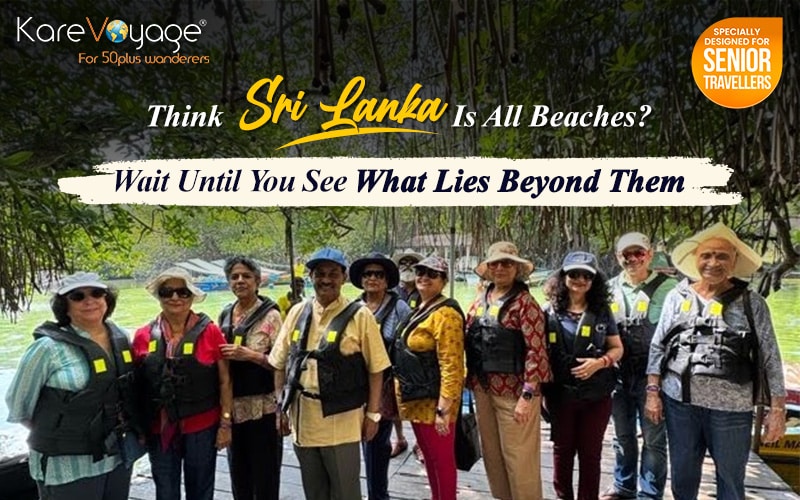
Near Balapitiya, the Madu River offers a change of scenery without taking visitors far from Sri Lanka’s coast. Instead of waves breaking against the shore, the experience centres on a network of waterways bordered by mangroves. Their tangled roots provide shelter for aquatic life, while the surrounding vegetation creates habitats for birds and other wildlife.The area forms part of the Maduganga wetland, recognised under the Ramsar Convention in 2004 as a wetland of international importance. Mangroves help stabiliseshorelines, trap sediment and protect coastal ecosystems, making them valuable far beyond their appearance.A boat safari offers a closer look at this environment. Visitors may spot birds, fish and other wildlife along the waterways, although sightings depend on the season, weather and time of day.
What makes the experience worth your time?
- A closer look at nature :mangrove roots and narrow waterways show how different species share a wetland habitat
- A different coastal perspective :the scenery is shaped by sheltered water and vegetation rather than open beaches and waves
- An understanding of local ecosystems :the wetland demonstrates why mangroves matter to wildlife and coastal communities
The Madu River is a reminder that Sri Lanka’s coastline isn’t defined by beaches alone. Its waterways also tell a story about the natural systems that sustain the island. Yet the coast has another story to tell, one shaped not by nature but by the people who travelled here, traded goods and competed for control of important ports
Galle Fort :
Situated on the southwestern coast, the fortified town developed around maritime trade & became an important settlement under successive European colonial powers.Walking through the fort brings this history into view. During a visit, look out for :-
- The ramparts :these reflect the importance of defending the settlement and its harbour
- The architecture :the buildings show how European influences were adapted to local conditions
- The streets and courtyards :these reveal how the historic town continues to accommodate everyday life
Galle Fort shows that even a familiar coastal destination can offer far more than sea views. Its streets help explain how trade and colonial rule shaped Sri Lanka. Together, the fort and Madu River offer a different perspective on the coast – rounding out a journey that has already revealed how much the island has to offer beyond its beaches.
Sri Lanka has more stories to tell than its coastline suggests
By now, it’s clear how Sri Lanka offers much more than a beach holiday. Its relatively short travel distances between several popular attractions, varied landscapes, rich cultural heritage & opportunities to enjoy both relaxed sightseeing and scenic experiences make it worth considering for older travellers. Cooler highland towns, botanical gardens, temples & coastal boat rides also offer different ways to explore the island without relying entirely on physically demanding activities. With a well-paced itinerary and comfortable transport – senior travellers can enjoy these experiences at their own pace.AtKareVoyage, we bring these experiences together through thoughtfully plannedsenior citizen trips packages. We focus on comfortable travel arrangements, carefully selected destinations and balanced itineraries that allow enough time to enjoy each stop. Our itinerary combines coastal attractions, highland scenery and cultural landmarks – helping travellers experience different sides of the island without rushing through them.Take a look at oursenior citizen tour in India& international holidays to see how we help older travellers experience destinations beyond the usual tourist attractions.
Frequently Asked Questions
Is Sri Lanka a good holiday destination for senior travellers?
Yes, Sri Lanka can be a rewarding destination for travellers aged 50 and above. The island offers a mix of scenic highlands, tea gardens, temples, botanical gardens and coastal experiences. A well-planned itinerary with comfortable transport, suitable sightseeing stops and enough rest time can make the journey more enjoyable.
How many days are enough to explore Sri Lanka comfortably with senior citizens?
An 8-day trip can cover several parts of Sri Lanka, including Nuwara Eliya, Kandy, Bentota and Galle. However, the ideal duration depends on the places you want to visit and the time needed to travel between them. Families travelling with older members may prefer a relaxed schedule rather than trying to cover too many attractions in a few days.
Is Sri Lanka suitable for senior travellers who cannot walk long distances or climb many stairs?
Yes, but the choice of attractions and the pace of travel matter. Some places, such as Peradeniya Botanical Gardens, involve considerable walking, while viewpoints around Ramboda Falls may have steps or uneven paths. Travellers with mobility concerns can focus on accessible areas and check the walking requirements at each attraction before visiting.
What should senior travellers pack for a trip to Sri Lanka?
Packing should account for the different weather conditions across the island. Light cotton clothes are useful in warmer coastal areas, while a light jacket can help in cooler places such asNuwara Eliya. Comfortable walking shoes, sun protection, personal medicines and a small umbrella or rain jacket can also be useful.
Are boat rides on the Madu River suitable for older travellers?
A Madu River boat safari offers a chance to see mangroves, birds and other wildlife. However, older travellers should check the boat’s entry arrangements, seating, safety equipment and boarding conditions before booking. Anyone with mobility or balance concerns should confirm whether the experience is suitable for them.
Is Sri Lanka safe for senior citizens travelling independently?
Senior citizens can travel independently in Sri Lanka, provided they take the usual travel precautions. It helps to plan transport in advance, keep important documents and emergency contacts accessible, and stay aware of local conditions. Travellers should also check their travel insurance and understand how to access medical assistance during the trip. Those with specific health or mobility concerns may find a guided or pre-arranged itinerary more convenient.